


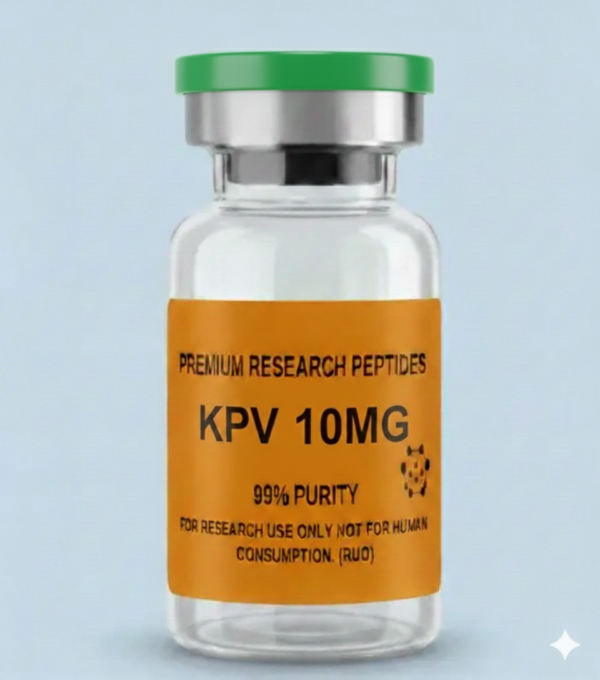
KPV Peptide (10mg) – High-Purity Tripeptide for Anti-Inflammatory & Immune Modulation Research
KPV peptide (Lysine-Proline-Valine) is a potent, synthetic tripeptide derived from the C-terminal sequence of the alpha-melanocyte-stimulating hormone (α-MSH). In modern biochemical research, KPV is a primary focus for investigating anti-inflammatory pathways, immune system modulation, and epithelial barrier integrity. Unlike larger molecules, this compact fragment allows researchers to study melanocortin signaling without inducing broad systemic effects, making it a versatile tool for targeted cellular studies.
Our KPV is supplied as a research-grade, lyophilized powder with a verified purity of ≥99%. Whether you are conducting in vitro assays on NF-κB inhibition or exploring in vivo models of mucosal inflammation, our KPV 10mg vials provide the consistency and stability required for peer-reviewed results. Explore our full catalog of high-purity research peptides to complement your laboratory studies.
Why Researchers Choose Peptide Basics for KPV
- Verified Purity (≥99%): Every batch of KPV is validated via HPLC and mass spectrometry to ensure chemical identity and absolute purity.
- Enhanced Stability: Provided in lyophilized (freeze-dried) form to ensure a long shelf life and easy reconstitution with bacteriostatic water.
- Rapid USA Logistics: We provide fast, discreet shipping (2–3 business days) to keep your lab workflows on schedule.
- Stringent Quality Control: Manufactured in facilities adhering to strict laboratory standards for research-grade reagents.
Comprehensive Research Applications of KPV (Lys-Pro-Val)
KPV is widely recognized in the scientific community for its ability to traverse cell membranes and interact with intracellular signaling molecules. Current research focus areas include:
1. Inflammatory Signaling & Cytokine Regulation
KPV is frequently used to study the suppression of pro-inflammatory cytokines such as TNF-α, IL-1β, and IL-6. Researchers utilize this tripeptide to observe the inhibition of the NF-κB signaling pathway, which is central to many chronic inflammatory conditions.
2. Gut Health & Mucosal Barrier Integrity
A significant portion of KPV research involves its interaction with the PepT1 transporter in the intestinal epithelium. Studies investigate how KPV may support gut barrier function and reduce localized inflammation in models of Inflammatory Bowel Disease (IBD) and “leaky gut” analogs. For researchers focusing on metabolic health, KPV is often studied alongside other peptides for metabolic research.
3. Dermatological & Wound Healing Models
Due to its anti-microbial and anti-inflammatory properties, KPV is a popular subject in skin research. It is studied for its potential to accelerate epithelial repair and modulate the inflammatory response in dermatological models, including psoriasis and dermatitis simulations.
4. Immune System Homeostasis
Unlike broad immunosuppressants, KPV offers a “modulatory” approach. Researchers examine how KPV balances the immune response, providing localized protection without compromising the organism’s overall ability to fight pathogens.
Technical Specifications: KPV 10mg
| Specification | Product Details |
|---|---|
| Sequence | Lys-Pro-Val (Ac-KPV-NH2) |
| Molecular Weight | 385.5 g/mol |
| Purity Level | ≥99% (HPLC Verified) |
| Format | Lyophilized White Powder |
| Storage | Stable at -20°C (Long-term) |
Disclaimer: This KPV peptide is intended strictly for laboratory research purposes only. It is not for human or veterinary use. It has not been approved by the FDA for the treatment, diagnosis, or prevention of any disease. Please ensure all handling is conducted by qualified professionals within a controlled environment.
Looking for more information on peptide storage or reconstitution? Visit PeptideBasics.net for comprehensive research resources.