Key Components and Mechanisms
Sema GLP-1 receptor agonist (glucagon-like peptide-1 analog). It mimics the GLP-1 hormone to:
Enhance glucose-dependent insulin secretion
Suppress glucagon release
Slow gastric emptying
Reduce appetite and promote satiety.
Cagrilintide: A long-acting synthetic analog of amylin (a pancreatic hormone co-secreted with insulin). It acts as a dual amylin and calcitonin receptor agonist (DACRA), contributing to:
Increased feelings of fullness (satiety)
Delayed gastric emptying
Reduced food intake
By combining these two peptides, CagriSema targets complementary pathways in appetite regulation, glucose control, and energy balance, often resulting in greater weight loss than either component alone.
Clinical Development and Results
In those with type 2 diabetes, reductions were around 13.7–15.7%.
It showed superior results compared to sema or cagri.
Additional benefits include improved glycemic control (e.g., lower HbA1c), cardiometabolic parameters (blood pressure, lipids), and safety profiles consistent with the GLP-1 class (mainly mild-to-moderate gastrointestinal side effects like nausea).
As of early 2026, CagriSema remains investigational and is not yet FDA-approved for general use, though it has shown promising results positioning it as a potential next-generation option beyond current GLP-1 therapies.
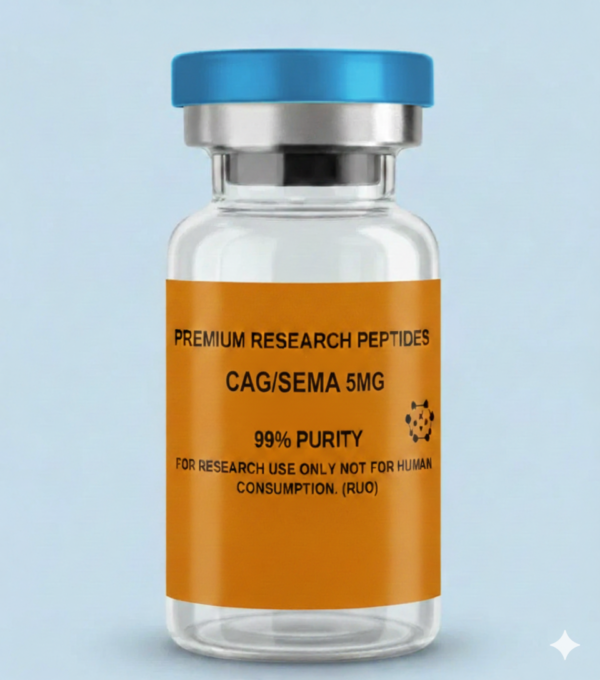
Note: Some research peptide suppliers market “CAG-SEMA” blends for laboratory use only (not for human consumption), but the primary clinical context is the pharmaceutical combination described above. If this refers to something more specific (e.g., a sequence or research variant), feel free to provide additional details!